Accessible Weddings - Is It Really That Difficult?
From an alternative photographer Dorset
This is a true story. And it horrified me. I was speaking to a couple I met at one of the many wedding fairs in Dorset. They had booked their venue and fell in love with it. They were discussing accessibility with the owners to ensure their day ran smoothly, particularly as one guest was disabled. The next day the couple received an email, YES, and email to say the owners had cancelled their booking due to their 'demands'.
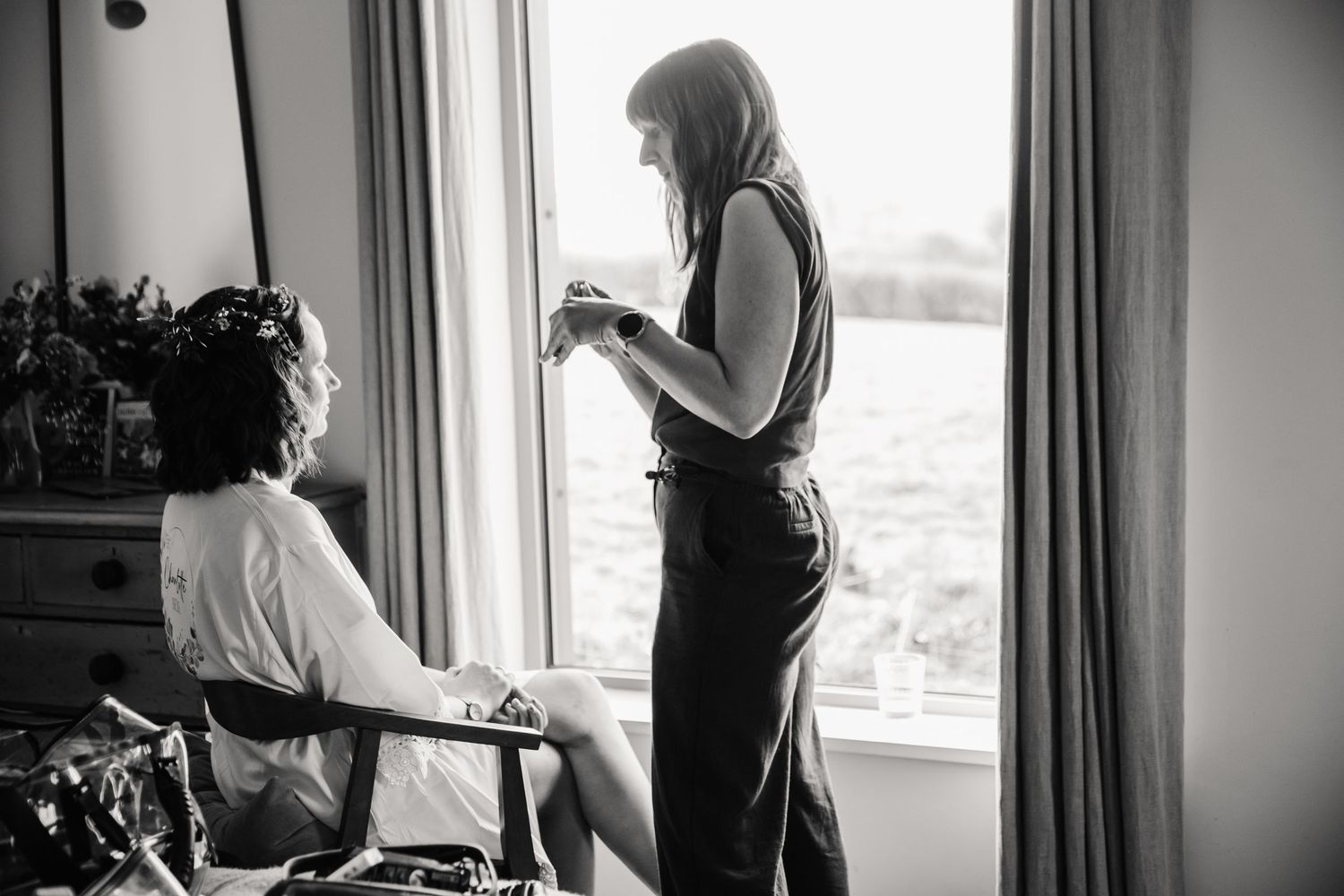
Charlotte, from The Unseen Weddings and I discuss wedding accessibility
Accessibility is more than just a ramp....
Wedding planning can be an overwhelming task at the best of times... and add in wedding planning with neurodivergence, chronic illnesses, and disabilities it is more than just deciding who to invite or seating plans. It can involve overwhelming dysregulation, energy crashes and considering whether you can even be accommodated. As an alternative wedding photographer, photographing non-traditional weddings, the one thing I shout about time and time again is authenticity. Being able to be yourself should be a given. And being able to celebrate your day authentically is a must; and often accessibility plays a large part in that.
Over the last few years I have worked with many wedding couples living with autism, ADHD, POTS, sensory challenges, hypermobility disorders and more. However, one of the challenges I have noticed is couples not knowing what changes and adaptations they can request, or what questions to ask, with many quite frankly just putting up with the 'norm'.
Charlotte from The Unseen Weddings discusses 'This is exactly why I started The Unseen Weddings. When I began planning my own wedding, I came up against accessibility barriers and realised just how much information was missing. I hadn’t set out to start a business, but the more I looked into it, the more I realised how many disabled couples were facing the same problems.
Disabled couples shouldn’t have to become accessibility experts just to plan their wedding. The industry needs to make information clearer, ask better questions and be willing to make adjustments so couples can focus on what their wedding is really about: celebrating their relationship. 'Through The Unseen Weddings, I work with wedding businesses to help them understand these barriers and make their services and information more accessible. My approach is rooted in lived experience and listening to the disabled community, because no two people have exactly the same access needs.'
This is why the dialogue needs to change. There should be open conversations between suppliers and couples to explore what their wedding NEEDS to look like so everyone feels safe, including as everyone is entitled to have a bloody good party!
In this blog I want to explore venue and supplier accessibility, what questions to ask and things you might now have considered!
Please do check out my other blogs on: Wedding Timelines, Inclusivity and candid Photography, Low Demand wedding ideas,
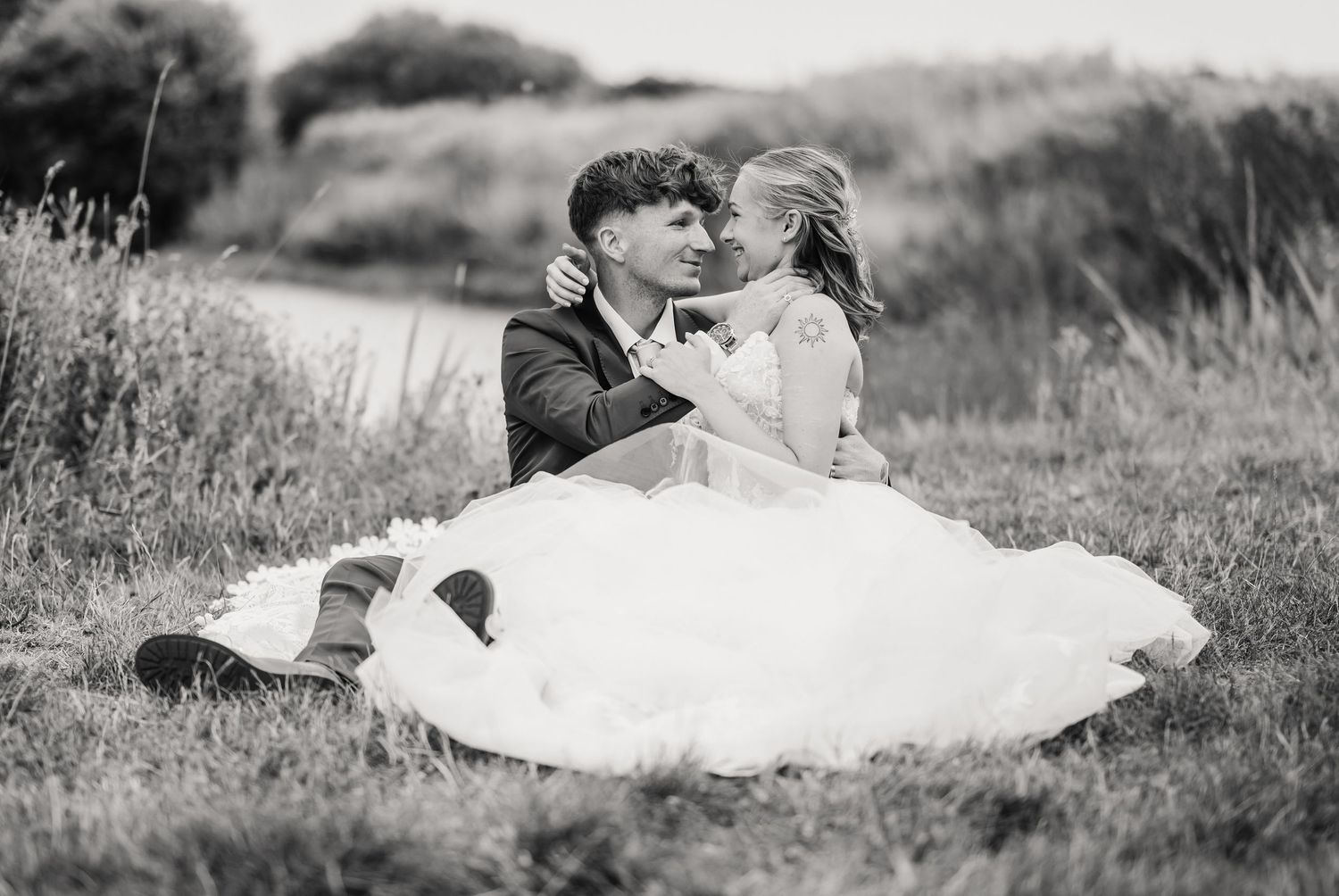
Be unapologetically you!
This is your day and you do not need bloody permission to plan your wedding to support your physical and mental health! You also should not feel an inconvenience or the need to apologise, . Traditions guide the way many weddings are carried out, and unfortunately sometimes these are not overly inclusive, but this is your day so plan the wedding for YOU!
Charlotte from Unseen Weddings adds 'I know from personal experience how exhausting it can be to navigate a world that hasn’t always considered your needs. When you’re already managing your health, energy levels or sensory needs, the last thing you should have to do is fight for basic information or feel guilty for asking for adjustments.'
What do you NEED?
One thing I absolutely hate hearing is 'what do you want?' This isn't about wants, this is about your needs. At the very least suppliers should be listening to your needs, making adaptations (without an eye roll or a sigh) and genuinely trying to do better. If any supplier is flipping you off, telling you what you 'want', then bin them. There are plenty of wedding suppliers that actually want to help.
Top tips for finding accessible venues and accessible suppliers
The Right Venue!
It is so easy to fall in love with a venue, the grandeur, the scenery or even a fab package deal. But wedding venue accessibility is key to ensuring the day runs smoothly. Charlottes suggests “Don’t just ask whether a venue is accessible. Ask what is accessible, where, and for whom.
'So many venues describe themselves as ‘fully accessible’ without explaining what that actually means. Being specific and honest about access allows couples to make informed decisions rather than having to chase suppliers for answers'
Here are a few things to consider when looking for an accessible wedding venue:
- Step free access or a Ramp/Lift access (working and easy to access)
- Flat/smooth and even flooring through, no gravel (screams into pillow!)
- Accessible Toilets - is a key needed? Is this easy to access? Is it full of cleaning products (I have seen this!)
- Quiet Spaces that are easily accessible for guests feeling overstimulated
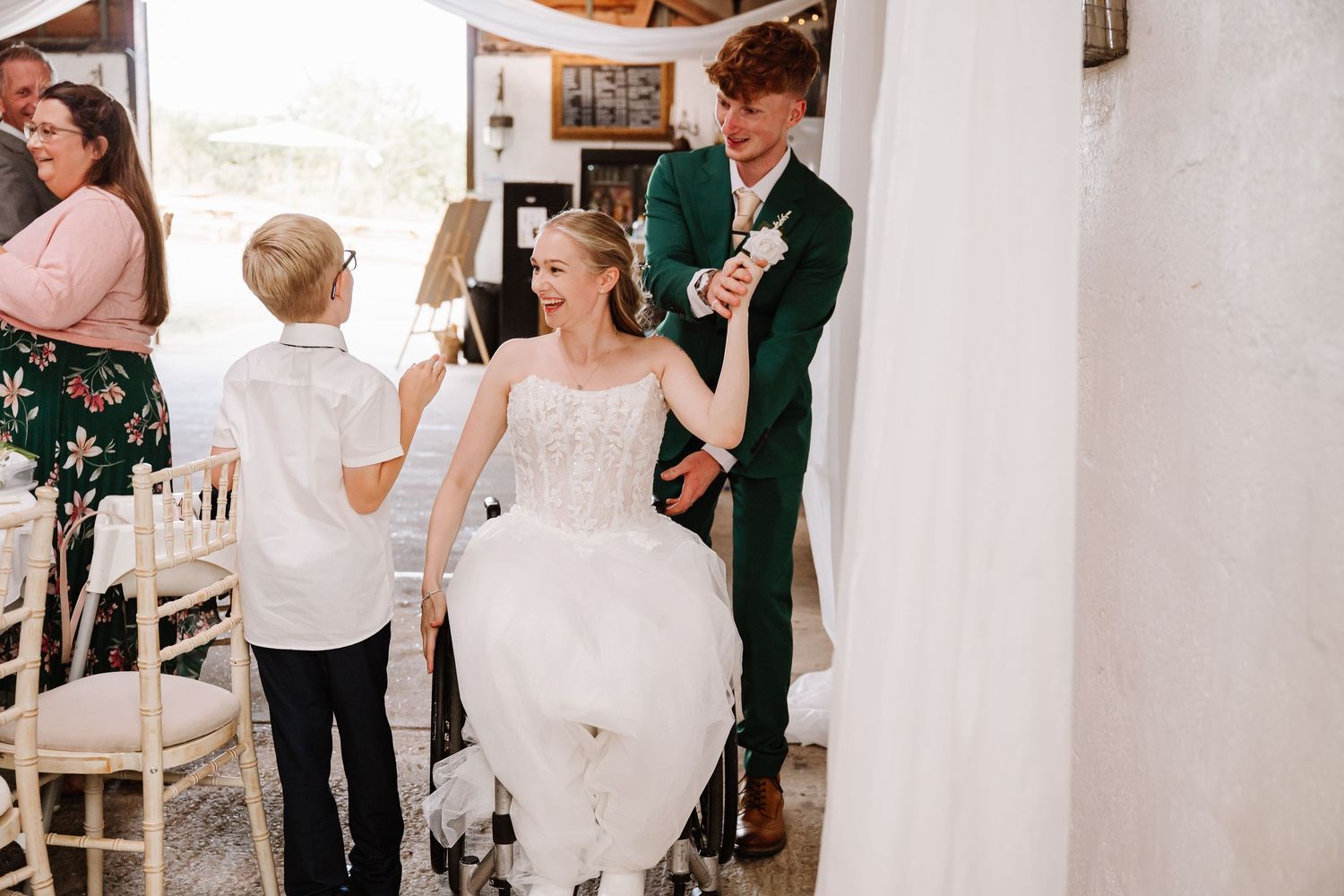
- Wide doors for crutches/wheelchairs/ walkers to get through
- Parking Spaces close to the venue, or a drop off point
- Access to a fridge for medication
- What are the acoustics like? Tall ceilings and big rooms can cause issues for those with hearing and auditory processing difficulties.
- Is there room to move around? (Consider seating plan and space for guest to move around)
- Who is responsible for emergencies (Medical/Fire)? Is a personal plan needed for evacuation?
- Consider lighting if visual impairment is a consideration.
- Are you able to visit the venue to orientate yourself
- Are there photos/maps of the venue available to review and share with guests?
- Are assistance dogs allowed
- Are staff trained in supporting inclusion?
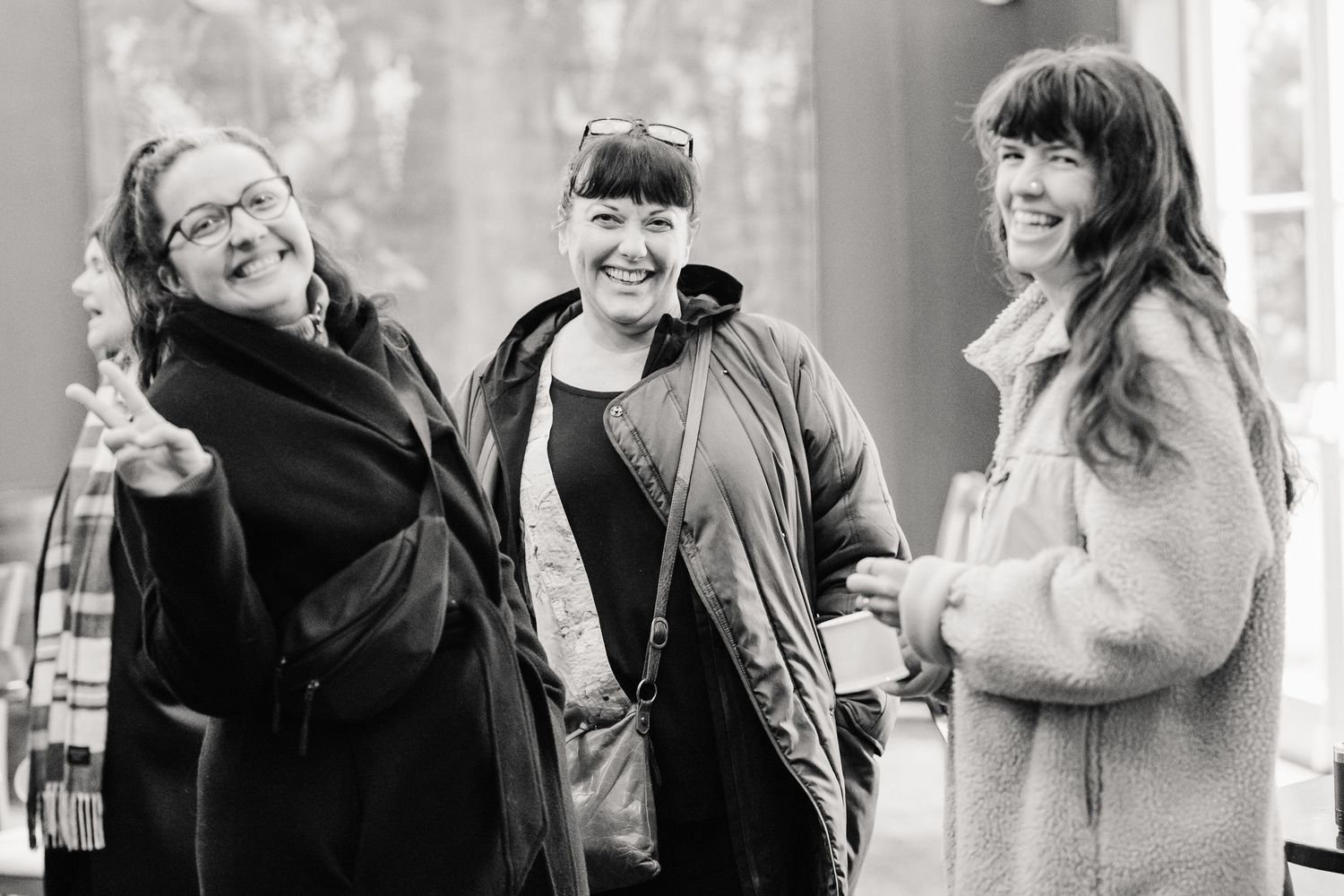
Your Vibe, Your Tribe
The Right Suppliers
Working with the right suppliers is an absolute must.
- Is pricing clear and transparent on their site?
- Do they offer different forms of communication (Phone call/email/virtual/face to face)
- Do they give you processing time to read contracts and T&Cs
- Do you feel comfortable to ask questions?
- Are they asking about your needs?
- Is their website inclusive? Does it represent or discuss inclusive weddings?
- How will they involve you on the day? Will they check in between each stage, offer breaks and rest periods?
- Will photographers and DJs discuss lighting?
- Can food caterers support allergies and sensory difficulties?
I do believe in going with your gut feeling. Meet with your suppliers and see how comfortable you feel with them. They are going to be supporting you on the most important part of your day, so being able to have a laugh is key, but also feeling like you can be honest and true to yourself so they can understand and support you is paramount. Charlotte agrees 'My advice is to ask questions early and pay attention to how suppliers respond. They might not have every answer straight away, and that’s okay. What matters is whether they’re willing to listen, find solutions and communicate honestly about what they can offer.'
You deserve to feel excited about your wedding, not anxious about whether you’ll be able to access it. And if a supplier makes you feel like your needs are a burden, remember that you are allowed to look elsewhere. Your wedding should work for you, not the other way around.
Charlotte, Founder of Unseen Weddings
If you are a venue or supplier and want to learn more about accessibility contact Charlotte from The Unseen Weddings for audits, information here